FinGuard Law advert: who is Concord Recovery Group?


Checked by The Proofmark editorial team against our methodology before publishing
The Proofmark · Our methodology

From a recovery advert to a different business name
The FinGuard Law video opens by asking whether an illegal broker has scammed the viewer. It is aimed at someone who already has a money problem, rather than someone choosing a new investment. That matters: a person waiting for a withdrawal may read an offer of legal help as a direct route to getting their money back.
On 29 October 2026, Meta's library displayed advert 1592495132029957 as active, with a start date that day. Its link, european-monitor.com/client, opened a page branded Concord Recovery Group. The page offers an initial assessment of disputes involving brokers, crypto, bank transfers and other investments. The advert was found using the Ireland country filter; that filter does not establish everyone it reached.
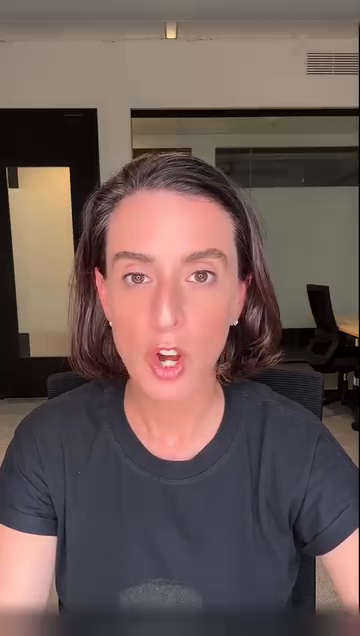
The image above is a frame from the original advertisement. It is advertising material, not evidence that the people shown are lawyers or that any customer recovered money.
What Concord's terms actually offer
Concord describes itself as an independent intake and assessment service. In plain language, it collects information and reviews the situation. Its terms say it is not a law firm, bank, regulator or government agency. Submitting the form does not appoint a lawyer or create a professional relationship.
This is the most important distinction in the journey from the FinGuard Law advert. Before sharing a case file, the reader needs to know who will do the work. A business name containing “Law” is not a lawyer's registration or a signed agreement to act for you.
The pages checked identify Concord Recovery Group and provide business contact details, but do not identify a registered legal entity by company number and street address or name the lawyer who would handle a case. Those are concrete questions to resolve before paying or sending identity documents. They do not establish who owns the advertiser or whether another properly identified business may later be involved.
Free assessment does not mean every later service is free
The terms distinguish the initial free review from further work. Later services, fees and payment terms must be agreed separately. They also state that a review does not guarantee recovery. Those disclosures should be read alongside the advert; it would be inaccurate to describe this page as promising every visitor a refund.
Ask for a written proposal identifying the contracting company, the work to be done, all charges and who receives any payment. If legal representation is offered, verify the named professional in the appropriate official register, using independently obtained contact details. Check whether you are buying an assessment, a referral, a complaint letter or actual representation. These are different services.
An additional demand to pay a tax, release fee or crypto deposit to unlock supposedly recovered funds would need its own evidence. Do not treat such a demand as legitimate merely because the conversation began with a free review. Our recovery-service guide explains the checks to make.
If you already contacted FinGuard Law or Concord
Keep the advert, website address, messages, proposed contract and payment instructions. Separate the original investment payment from any new payment to the recovery service. Write down the recipient, amount, date and stated purpose of each. This prevents two different disputes from becoming one confusing story.
If money has already gone missing, contact your bank, card provider or sending exchange promptly. Explain the original transaction and ask what dispute, recall or fraud-reporting routes apply. If you paid the recovery service as well, report that transaction separately and provide its agreed terms.
Concord's own terms say that submitting its enquiry form does not start a chargeback, bank complaint or legal proceeding, and does not stop a deadline. Continue any existing complaint through the official channel. Never share a banking password, one-time code or wallet recovery phrase with someone offering to investigate a loss.
Our conclusion: this advert leads to a case-assessment offer, not an established lawyer-client relationship. The unexplained change of identity and incomplete contracting details justify caution. The evidence here does not establish a completed recovery scam or verified customer losses.
If you have already contacted either name, paid money or received a new demand, request a free telephone consultation. We can help you understand what you were offered, organise the two payment histories and identify your next questions. Recovery is never guaranteed.
Sources
Where to get help in your country
Choose your country to see where to check a company, report a scam and get help.
Choose your country to see local contacts. If it is not listed, you can ask our team for help.
🇬🇧 The United Kingdom
🔎 Check the firm
FCA Firm Checker — Search the firm name, its website, or the reference number it gave you.
🚨 Report it
Report Fraud (City of London Police) — Report online or call 0300 123 2040. In Scotland, call Police Scotland on 101.
↩ Ask for your money back
Financial Ombudsman Service — Complain to the firm first. If the issue remains unresolved, check whether the Financial Ombudsman Service can handle your case. Its service is free.
Contacts and responsibilities can change. Check the details on the relevant official website.
Was this article helpful?
Thank you. Your feedback helps us improve.
Your reason has been saved.
Your callback request is received.
Our team will call .
You do not need to send another request. The call is free.
Your reference:
Request a free callback
Leave your number. We will talk through what happened.
Name and phone number are required. All other details are optional.
Your saved draft has been restored.